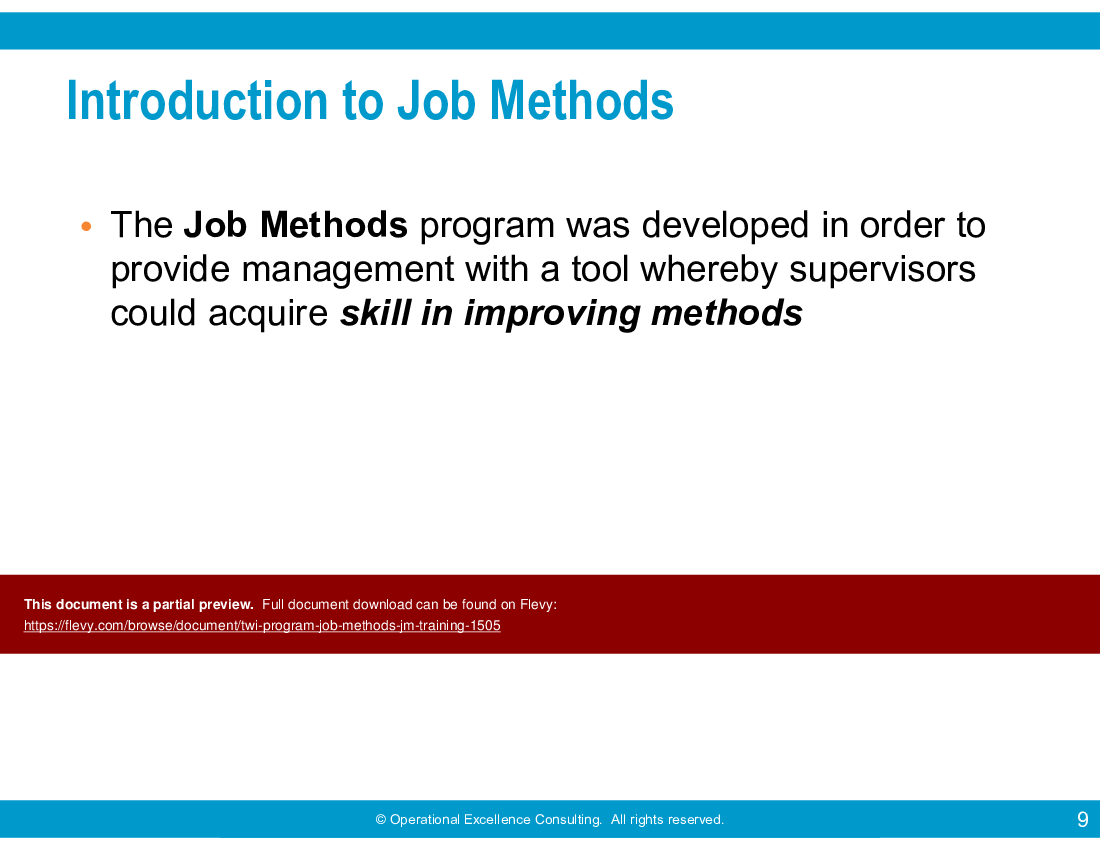
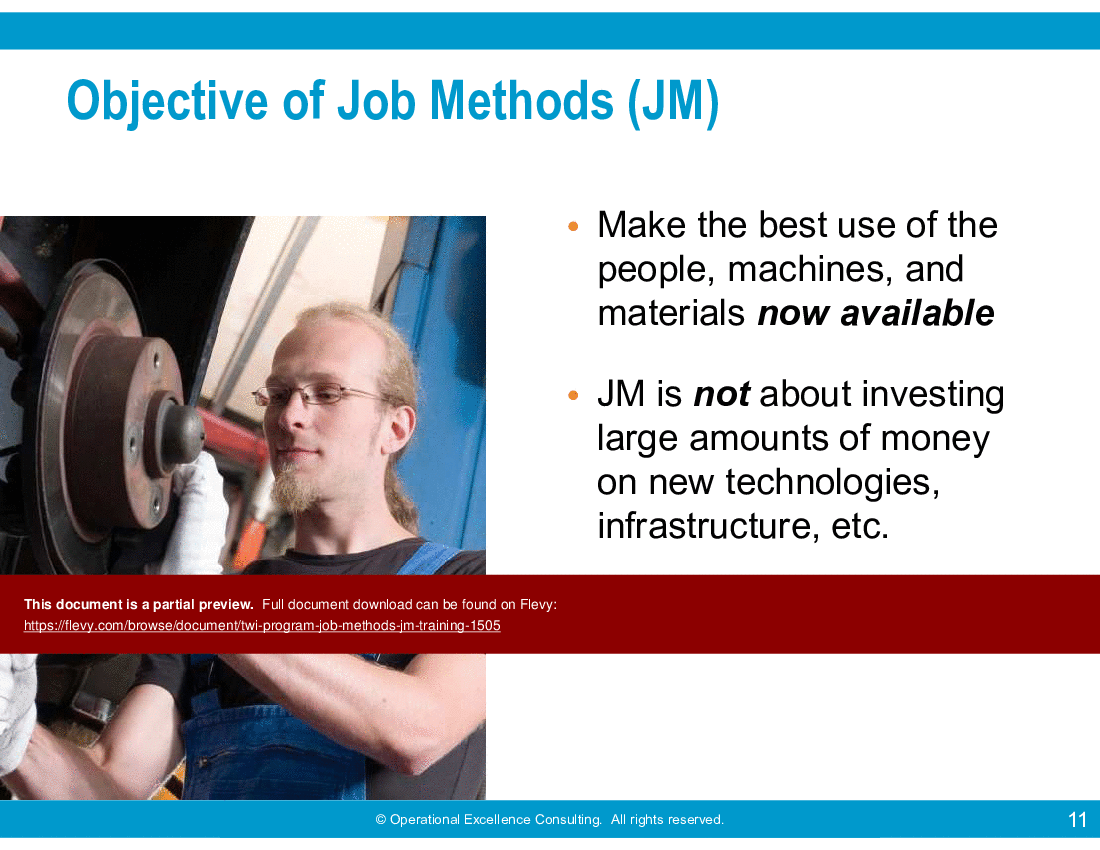

The TWI Job Methods (JM) program trains supervisors in how to improve the way jobs are performed in order to consistently produce greater quantities of quality products in less time using available manpower, machines and materials.

Participants are taught how to break down jobs into their constituent operations. Every detail is questioned in a systematic manner to generate ideas for improvement. New methods are developed by eliminating, combining, rearranging, and simplifying steps in the process.
Job Methods yields significant benefits including reduced cost through productivity gains, increased throughput, and reduced work in process.
||||||||||||||||||||||||||||||||||||||||||||||||||||||||||||||||||||||||||||||||||||||||||||||||||||||||||||||||||||||||||||||||||||||||||||||||||||||
This TWI Job Methods (JM) PPT training package includes:
1. TWI Introduction & Job Methods Slides (PowerPoint format)
2. Job Methods Breakdown Sheets for Work Analysis (Word format)
3. Job Methods Improvement Proposal Sheet (Word format)
4. Printing Guidelines for JM Pocket Card
5. Job Methods Poster (PDF format, in color and monochrome, printable in A3 size)
||||||||||||||||||||||||||||||||||||||||||||||||||||||||||||||||||||||||||||||||||||||||||||||||||||||||||||||||||||||||||||||||||||||||||||||||||||||
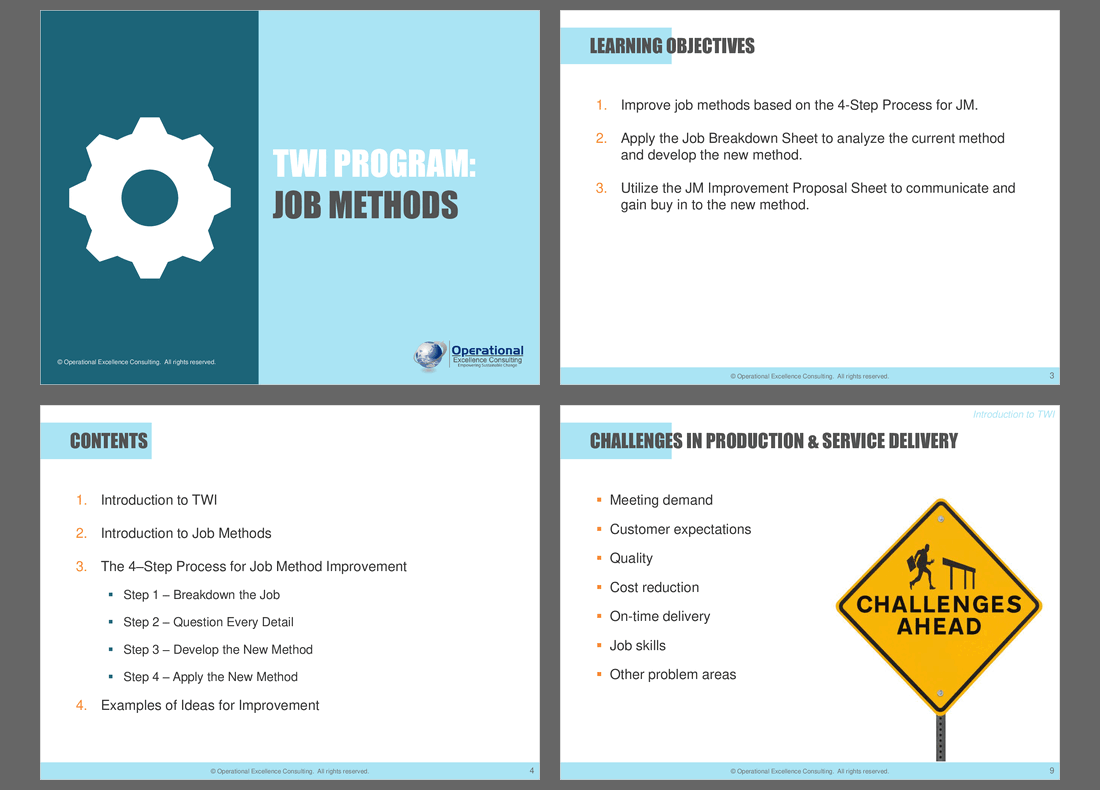
LEARNING OBJECTIVES
1. Improve job methods based on the 4-Step Process for JM.
2. Apply the Job Breakdown Sheet to analyze the current method and develop the new method.
3. Utilize the JM Improvement Proposal Sheet to communicate and gain buy in to the new method.
CONTENTS
1. Introduction to TWI Job Methods (JM)
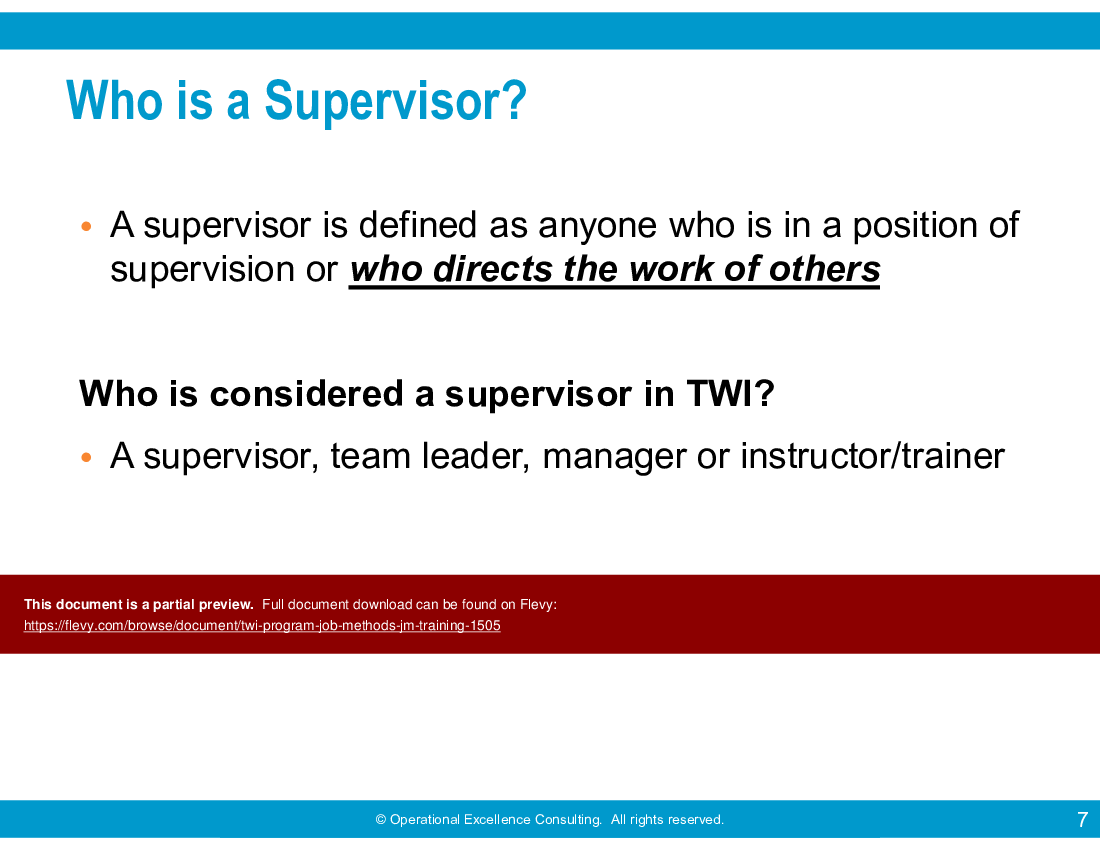
2. Definition of a Supervisor
3. 5 Basic Needs of Supervisors
4. Demonstration Job: Current Design & New Design
5. 4 Steps for Job Methods Improvement
6. Step 1: Breakdown the Job
7. Job Breakdown Sheet (JM)
8. Step 2: Question Every Detail
9. 5W1H Questions
10. Step 3: Develop the New Method
11. Eliminate, Combine, Rearrange & Simplify (ECRS Framework)
12. Principles Under Simplify
13. JM Improvement Proposal Sheet
14. Step 4: Apply the New Method
15. Examples of Ideas for Improvement
16. Practice Demonstrations: Job Breakdown for Present & Proposed Methods
17. Resistance & Resentment
18. Review of 4 Steps for JM
19. Summary & Closing
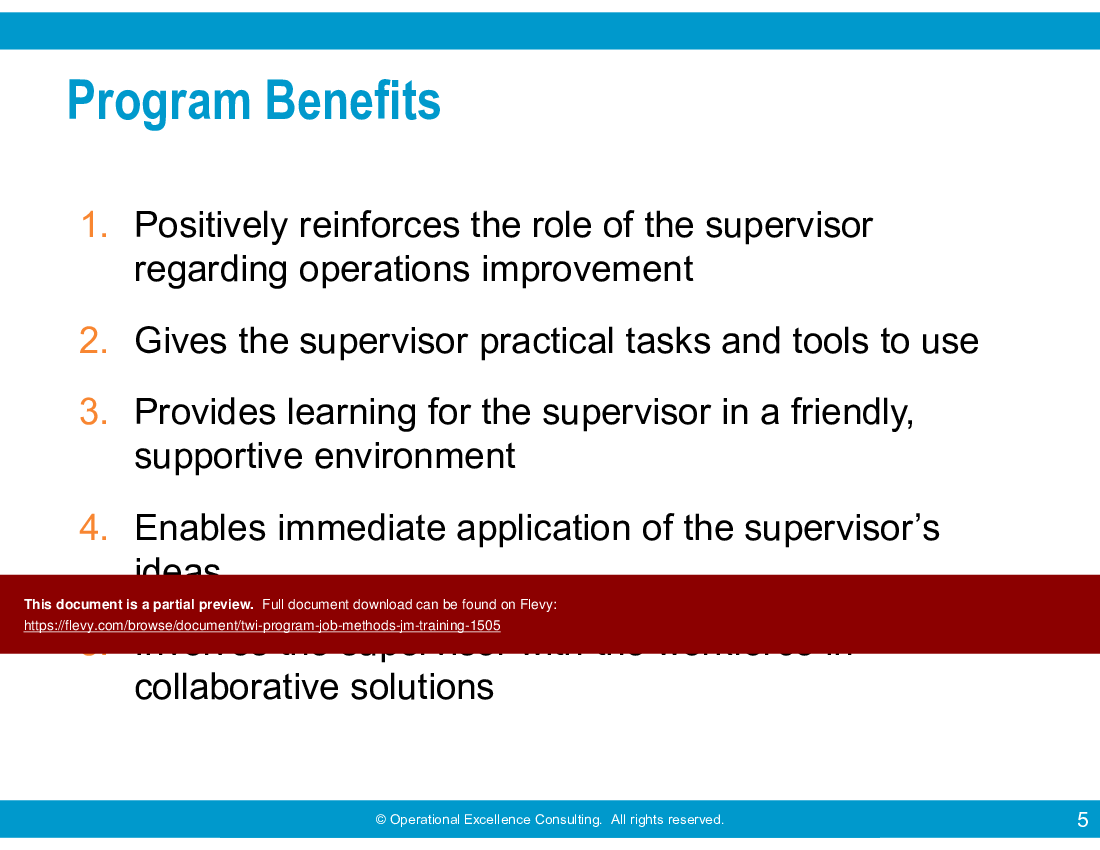
The TWI Job Methods (JM) program emphasizes practical application, ensuring supervisors can immediately implement new methods. Supervisors are equipped with tools to analyze current processes, develop proposals, and gain buy-in from management.
Got a question about the product? Email us at support@flevy.com or ask the author directly by using the "Ask the Author a Question" form. If you cannot view the preview above this document description, go here to view the large preview instead.
Executive Summary
The TWI Program: Job Methods (JM) Training presentation is designed to empower supervisors and team leaders with the skills necessary to enhance job methods and improve operational efficiency. Developed by a seasoned TWI Master Trainer, this training provides a structured approach to job analysis and improvement through the 4-Step Process. Participants will learn to utilize tools such as the Job Breakdown Sheet and JM Improvement Proposal Sheet to analyze current methods and implement effective changes, leading to increased productivity and quality.
Who This Is For and When to Use
• Supervisors and team leaders looking to enhance their leadership skills in operational improvement
• Managers responsible for overseeing production and service delivery
• HR professionals involved in training and development initiatives
• Continuous improvement teams focused on Lean methodologies
Best-fit moments to use this deck:
• During onboarding sessions for new supervisors
• In workshops aimed at enhancing operational efficiency
• When implementing Lean initiatives within teams
Learning Objectives
• Improve job methods based on the 4-Step Process for JM
• Apply the Job Breakdown Sheet to analyze the current method and develop the new method
• Utilize the JM Improvement Proposal Sheet to communicate and gain buy-in for the new method
• Foster a culture of continuous improvement among team members
• Enhance collaboration between supervisors and workforce for effective solutions
• Identify and eliminate unnecessary details in job processes
Table of Contents
• Introduction to TWI (page 1)
• Introduction to Job Methods (page 2)
• The 4-Step Process for Job Method Improvement (page 3)
• Examples of Ideas for Improvement (page 4)
Primary Topics Covered
• Introduction to TWI - Overview of the Training Within Industry program and its historical significance in enhancing operational efficiency.
• Job Methods Overview - Explanation of the Job Methods program and its purpose in improving job processes without requiring significant investment.
• 4-Step Process for Job Method Improvement - A structured approach consisting of breaking down the job, questioning every detail, developing a new method, and applying the new method.
• Benefits of TWI - Discussion on the advantages of implementing TWI, including increased productivity and reduced training time.
• Resistance to Change - Insights into common challenges faced during the implementation of new methods and strategies to overcome them.
Deliverables, Templates, and Tools
• Job Breakdown Sheet for documenting current methods
• JM Improvement Proposal Sheet for communicating proposed changes
• Guidelines for conducting job demonstrations
• Templates for recording improvement ideas and results
Slide Highlights
• Overview of the 4-Step Process for Job Method Improvement
• Examples of successful TWI implementations in various organizations
• Visual aids illustrating the breakdown of job methods and improvement proposals
Potential Workshop Agenda
Introduction to TWI and Job Methods (30 minutes)
• Overview of TWI and its significance
• Introduction to Job Methods and its objectives
4-Step Process for Job Method Improvement (60 minutes)
• Breakdown of the job using the Job Breakdown Sheet
• Group activity: Questioning every detail
Developing and Applying the New Method (60 minutes)
• Collaborative session to develop new methods
• Presentation of improvement proposals and feedback
Customization Guidance
• Tailor the Job Breakdown Sheet to reflect specific job roles and responsibilities within your organization
• Modify the JM Improvement Proposal Sheet to align with internal reporting standards
• Adapt training examples to fit the unique context of your operational environment
Secondary Topics Covered
• Continuous improvement strategies and their importance
• The role of supervisors in fostering a culture of improvement
• Techniques for effective communication and collaboration in job method enhancements
FAQ
What is the TWI Program?
The TWI Program is a leadership development initiative designed to equip supervisors with the skills to lead, instruct, and improve job methods effectively.
How does the 4-Step Process work?
The 4-Step Process involves breaking down the job, questioning every detail, developing a new method, and applying the new method to enhance operational efficiency.
What tools are provided in this training?
Participants receive the Job Breakdown Sheet and JM Improvement Proposal Sheet, which are essential for analyzing current methods and proposing improvements.
Can this training be customized for different industries?
Yes, the training materials can be tailored to fit various industries and organizational contexts to maximize relevance and impact.
What are the expected outcomes of implementing Job Methods?
Implementing Job Methods can lead to reduced costs, increased throughput, improved quality, and enhanced employee engagement in the improvement process.
How can resistance to change be managed?
Effective communication, involving team members in the improvement process, and providing clear explanations of the benefits can help mitigate resistance.
Is there a follow-up after the training?
Yes, organizations are encouraged to conduct follow-up sessions to reinforce learning and track the implementation of new methods.
What types of improvements can be expected?
Improvements may include enhanced productivity, reduced waste, better quality control, and streamlined processes.
Glossary
• TWI - Training Within Industry, a program aimed at improving job methods and leadership skills.
• Job Breakdown Sheet - A tool for documenting the current method of a job in detail.
• JM Improvement Proposal Sheet - A template for proposing improvements to job methods.
• Continuous Improvement - Ongoing efforts to enhance products, services, or processes.
• Lean Methodologies - Approaches focused on minimizing waste and maximizing value.
• ECRS - Eliminate, Combine, Rearrange, Simplify; a framework for improving job methods.
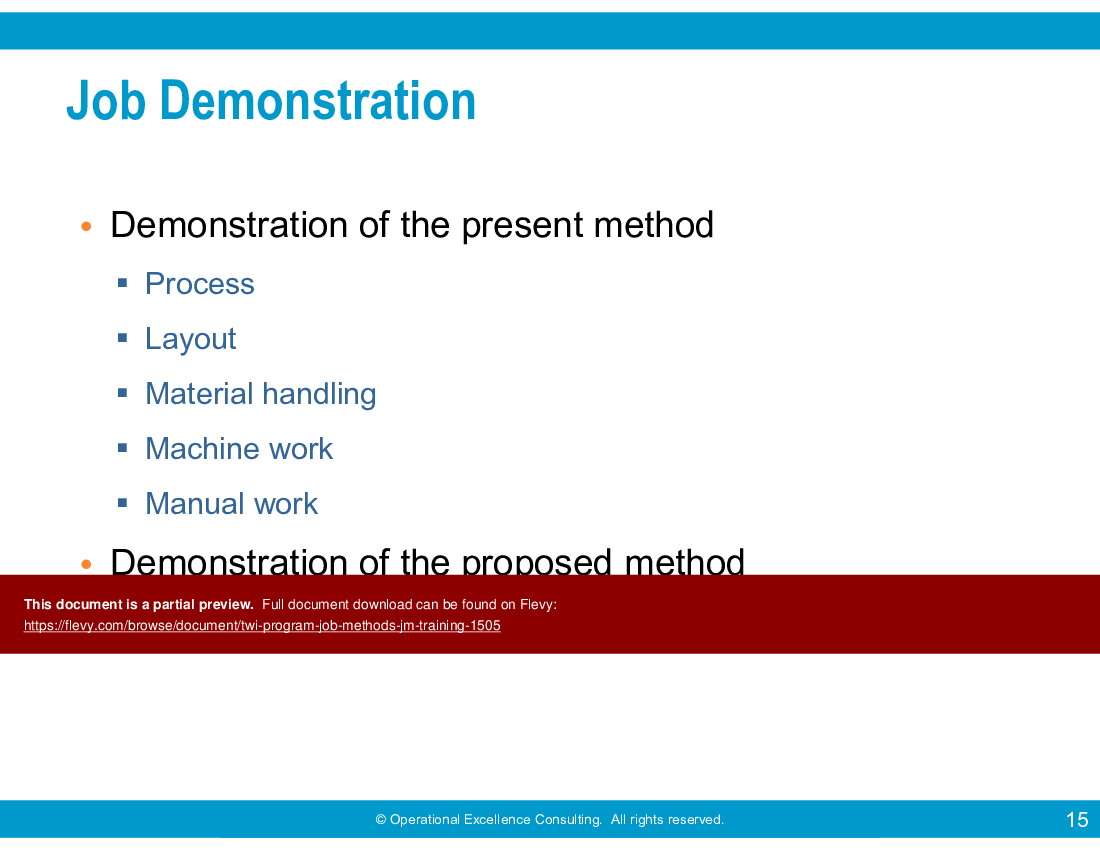
• Job Demonstration - A practical demonstration of current and proposed job methods.
• Supervisor - An individual who directs the work of others and is responsible for operational performance.
• Collaboration - Working together to achieve common goals in the improvement process.
• Resistance to Change - The reluctance of individuals or groups to adapt to new methods or processes.
• Operational Efficiency - The ability to deliver products or services in the most cost-effective manner without sacrificing quality.
• Workforce Engagement - The level of commitment and involvement an employee has towards their organization and its goals.
Source: Best Practices in Employee Training, Training within Industry PowerPoint Slides: TWI Program: Job Methods (JM) Training PowerPoint (PPTX) Presentation Slide Deck, Operational Excellence Consulting
This document is available as part of the following discounted bundle(s):
Save %!
Core TWI Training Programs: JI, JM & JR
This bundle contains 3 total documents. See all the documents to the right.
Save %!
Complete TWI Programs: JI, JM, JR, JS & PS Training
This bundle contains 5 total documents. See all the documents to the right.
|
Download our FREE Organization, Change, & Culture, Templates
Download our free compilation of 50+ slides and templates on Organizational Design, Change Management, and Corporate Culture. Methodologies include ADKAR, Burke-Litwin Change Model, McKinsey 7-S, Competing Values Framework, etc. |